Ex-Trump Prosecutor Pomerantz Largely Declines to Answer House Judiciary Committee Questions
Mark Pomerantz, who once helped lead Manhattan's investigation of Donald Trump, invoked the Fifth Amendment repeatedly during a closed-door deposition, according to a Republican committee member.
By Ken Adams ·
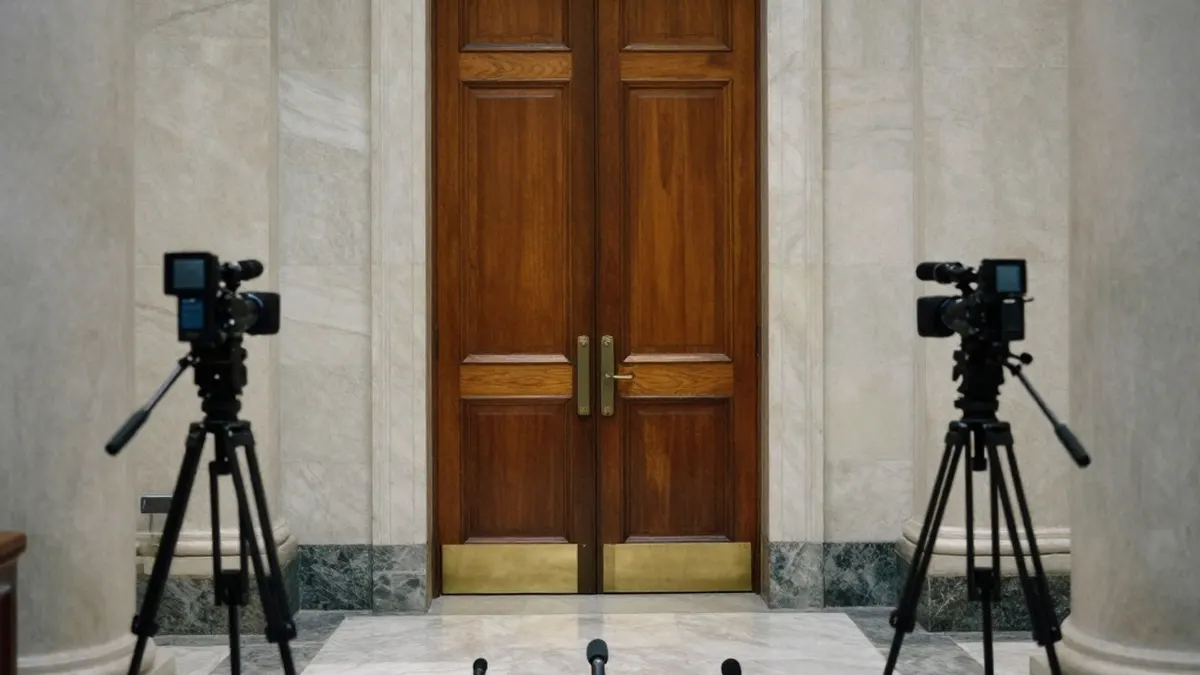
A former Manhattan prosecutor who helped oversee the investigation of ex-President Donald Trump declined to answer questions in substance during a closed-door deposition before the House Judiciary Committee on Friday, according to a Republican lawmaker who attended. The prosecutor and the district attorney who was formerly his boss said he was simply following grand jury secrecy rules.
Rep. Darrell Issa, a California Republican, left the session after about an hour and said the witness, Mark Pomerantz, repeatedly invoked the Fifth Amendment, which protects people from giving self-incriminating testimony. "This is an obstructing witness who has no intention of answering any questions," Issa told reporters.
Rep. Matt Gaetz, a Republican and fellow committee member, likewise said lawmakers were "not getting many answers."
Trump faces 34 felony counts of falsifying business records in connection with a scheme to bury allegations of extramarital affairs that surfaced during his 2016 presidential campaign. Republicans in Congress have denounced the case as "political persecution" and opened an oversight inquiry. The committee, chaired by Rep. Jim Jordan, is examining how Manhattan District Attorney Alvin Bragg handled the historic indictment.
In a written opening statement, Pomerantz described the committee's inquiry as "an act of political theater." He said he was relying on the Fifth Amendment because the district attorney's office had warned him, before he published a book about the investigation, that he could face criminal liability if he disclosed grand jury material or violated a New York City Charter provision on misuse of confidential information. "This deposition is for show," he said, adding that he did not believe he was there to support a real effort to write legislation or conduct oversight.
Pomerantz left Bragg's office after disagreements over the direction of the Trump investigation. The Republican-led committee subpoenaed him, and Bragg sued to block it. Last month, Bragg agreed to allow the testimony after a delay and on the condition that lawyers from his office attend. The committee has said it would have admitted those lawyers regardless. Pomerantz argued in court filings that the subpoena put him in an "impossible position" and could force him to breach his ethical obligations.
The deposition ran well over five hours. Jordan told reporters he was "surprised at some of the answers" but would not elaborate, citing committee rules. Pomerantz's attorney, Ted Wells, said the opening statement made "very clear as to what happened."
Pomerantz may decline to answer questions involving legal privilege and ethical obligations, but Jordan can rule on those objections case by case. Jordan said he would consult committee attorneys and members about possible legal action, including holding Pomerantz in contempt of Congress. Such a charge would need a vote of the full committee before moving to the Republican-majority House floor.
Issa noted that Pomerantz recently wrote a book on his work pursuing Trump and discussed the investigation on "60 Minutes" and other programs, yet declined to answer questions even about his earlier public statements. He suggested the dispute would head back to the courts, saying it would be "for the court to decide when we object to his failure to answer any questions."
Bragg's office said in a statement that, consistent with last month's agreement with the committee, it took part in the deposition and asserted its right to oppose disclosure of confidential information protected by law.
Source: Chicago Tribune