New venture promises genetically engineered dogs for military duty
A $1.2 billion startup led by tech figures aims to clone and equip war dogs to address a shrinking supply of working animals for U.S. defense and police.
By Kavya Kapoor ·
Ordinary taxpayers and public safety officials may soon see a significant shift in how the U.S. military and law enforcement procure their working animals. A newly unmasked startup called Warhound has emerged with a plan to genetically engineer dogs for hazardous duties, a move that could alter the long-standing reliance on imported breeds. The company announced on Thursday that it has secured $200 million in fresh capital, valuing the venture at $1.2 billion.
The funding round includes participation from major investors such as Sequoia, 8VC, and Corner Ventures. Notably, In-Q-Tel, a venture firm backed by the CIA and other U.S. intelligence agencies, is also an investor. This financial backing supports a concept proposed by Ben Lamm of Colossal Biosciences and Palmer Luckey of Anduril, who first discussed the idea at a conference approximately a year ago.
Warhound’s primary argument rests on a perceived supply crisis. The company notes that over 80% of U.S. military working dogs are currently sourced from Europe, with less than half of those imports being fit for service. Lamm stated that many of these dogs fail training due to inherited issues like poor eyesight, hip dysplasia, or high cancer risks. The startup aims to solve this by creating a new type of dog with characteristics suited to demanding missions.
The technical approach involves cloning top-performing breeds, specifically Belgian Malinois and German Shepherds. Lamm explained that his team is collecting cell lines from these breeds to store in a biobank. From there, genes will be edited to enhance traits such as speed, agility, and olfactory sensitivity while removing genetic predispositions to disease. Colossal Biosciences, known for its de-extinction work on animals like the mammoth, provides the licensing technology for this process.
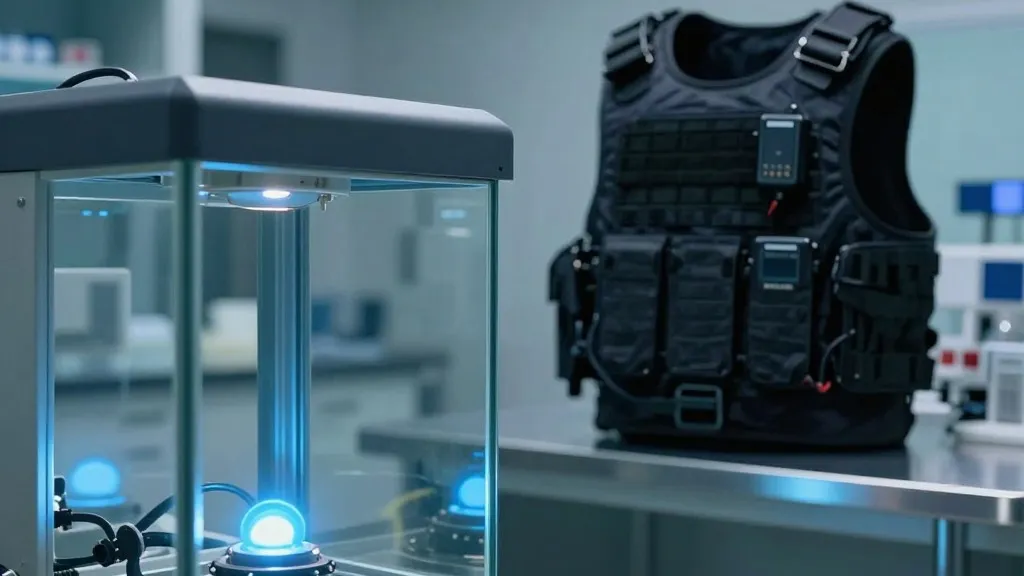
Anduril’s role is to equip these enhanced animals with hardware and software. The defense tech firm will provide items such as protection vests and goggles designed to improve situational awareness for both the dogs and their handlers. Lamm described the gear as an external layer of enhancement, noting that sensors in vests could send real-time data to handlers, making the dogs safer and more effective in the line of duty.
While Luckey is a partner in the venture, Lamm clarified that he holds no equity in the company. Colossal owns equity and supports the business through technology licensing. Viagen, another company owned by Colossal, will handle the actual cloning process. Lamm said the first batch of dogs is currently being cloned and incubated, with births expected in early 2027. The goal is to have these animals in service within two years.
Pricing for the new dogs has not yet been determined, but the company expects to sell to first responders, the Department of Defense, and police forces. Lamm stated that the team has already briefed various government groups on the business model. He emphasized that each dog will be trained like any standard military working dog and managed by the purchasing agency.
To address concerns about animal welfare, Warhound is working under the guidance of the American Humane Society to certify its training program. The Society stated it looks forward to working with the startup to ensure the animals are treated humanely. Additionally, the company hopes that retired Warhound dogs will be eligible for the Society’s Military Working Dog Reunification Program, which helps find homes for retired service animals.
Source: TechCrunch