Tesla's Self-Driving Milestone Relies on a Specific Accounting Method
The automaker reports 1.74 million active software licenses, but a significant portion of that figure stems from one-time purchases made years ago rather than recurring monthly fees.
By Eduardo Salazar ·
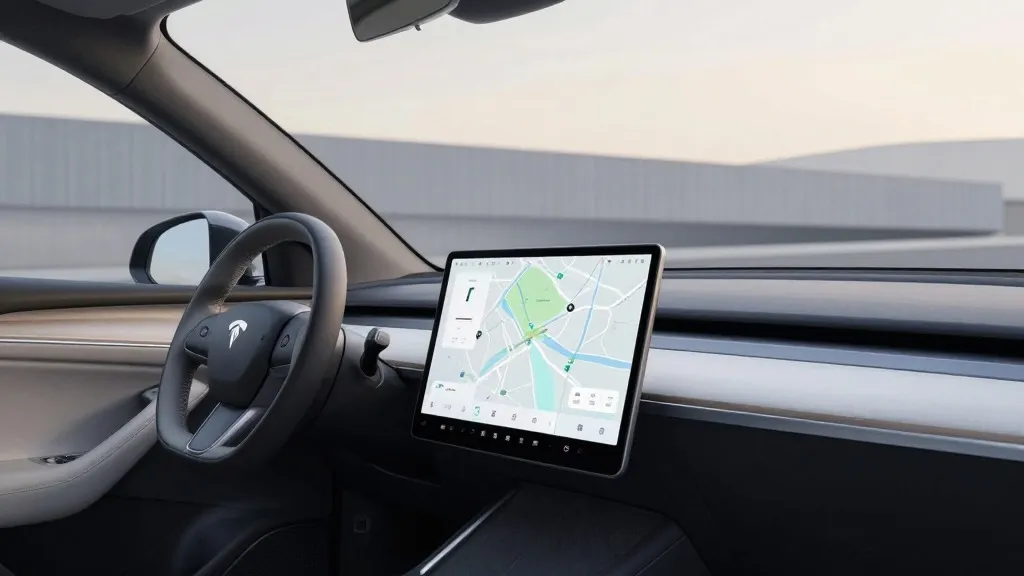
Tesla currently reports 1.74 million active Full Self-Driving subscriptions, a figure that has increased by 67% over the past year. This statistic is critical because reaching ten million active subscriptions is a specific operational milestone required for Elon Musk to earn his 2025 compensation package. The company’s latest shareholder letter clarifies that this count includes both monthly subscribers and owners who purchased the software upfront, a method of calculation designed to align with the terms of the CEO’s performance award.
The definition of an active subscription has evolved as Tesla adjusted its sales strategy. Until February 14, 2026, customers could buy the software for a one-time fee, with prices reaching up to $15,000. Since that date, new buyers are limited to a monthly subscription model costing $99 in the United States. However, every vehicle that purchased the software outright before the cutoff remains in the active count, provided the car is still in service. This means the current total includes thousands of drivers who paid full price years ago and no longer send monthly payments to the company.
This accounting approach creates a discrepancy in how investors and shareholders view the software’s traction. In April, Tesla reported 1.28 million active subscriptions using the same method. Six months later, the number rose to 1.74 million, yet the company has not disclosed how many of these users are actually paying the $99 monthly fee. The only group excluded from this metric is those on free trials. Consequently, the headline number reflects software usage rather than recurring revenue, a distinction that matters significantly given the compensation structures tied to these metrics.
The same alignment with the CEO’s pay package appears in other reported figures. Tesla’s cumulative delivery count now stands at 10.2 million, a number that includes unsupervised Robotaxis placed into commercial operation. This broad definition helps the company move toward the 20 million vehicle milestone also listed in the award criteria. As of the end of the second quarter, Tesla considered the 20 million delivery target the only one of the twelve operational milestones that was probable for achievement.
In the third quarter, Tesla added 260,000 net new subscriptions, marking its strongest quarterly performance to date. If the company maintains this growth rate, it would take approximately eight years to reach the ten-million threshold. However, if it adheres to the average growth rate of the last twelve months, which was roughly 700,000 per year, the timeline extends to nearly a decade. The compensation award remains active until 2035, providing a long window for these targets to be met.
Tesla also reported that over 75% of new deliveries in North America included a Full Self-Driving subscription during the third quarter. The company described this as a nearly twenty percentage point increase from the previous quarter and suggested that the software is driving demand in markets where it is available. While this high attach rate indicates strong initial uptake, the letter does not define whether this figure includes introductory offers or tracks long-term retention. Unlike the active subscription metric, the attach rate does not explicitly exclude free trials or clarify how many of these initial buyers continue paying after the introductory period.
The reliance on these specific metrics raises questions about the sustainability of the software business. While counting upfront buyers is not inherently incorrect, presenting them as part of a subscription base can obscure the difference between a one-time sale and a recurring service. Many of these upfront buyers were sold the promise of unsupervised self-driving, a capability Tesla has yet to fully deliver. The board’s decision to tie compensation to this specific definition, without providing a breakdown of monthly payers, leaves shareholders with a complex picture of the company’s true software momentum.
Source: Electrek